We often criticise governments for not doing enough to protect the environment, but a more important question is rarely asked—what are we doing, as individuals, to protect it?
In a world where we cannot always rely on governments, institutions, or political systems to act swiftly, the most immediate impact comes from personal choices. Sometimes, protecting the environment does not require doing more—it requires doing less harm.
Environmental protection is often discussed in terms of large policies, global summits, and governmental action. While these measures are important, the truth is simpler: meaningful environmental protection also begins with individual responsibility. Each of us must take ownership of the life we create and sustain—by reducing our dependence on borrowed resources and consciously minimising the environmental burden we place on the planet.
The Indian Constitution itself recognises environmental protection as a shared responsibility. Article 51A(g) places a fundamental duty on every citizen to protect and improve the natural environment, including forests, lakes, rivers, and wildlife.
This means environmental responsibility is not only moral—it is civic and legal in nature.
The steps outlined below highlight practical ways in which individuals can contribute by creating, preserving, and sustaining their own environmental footprint.
- Reduce Harm Where You Can
You may not be able to plant trees every day, but you can certainly avoid actions that lead to environmental damage.
- If you cannot plant trees, stop contributing to deforestation.
Every single individual requires approximately 7–8 mature trees each year to meet their oxygen needs. By reducing paper consumption, avoiding unnecessary construction and material waste, and choosing sustainable products, we directly reduce the environmental burden we place on the planet.
Research further highlights that certain tree species are especially effective in oxygen production, making informed choices about planting and preservation even more impactful.
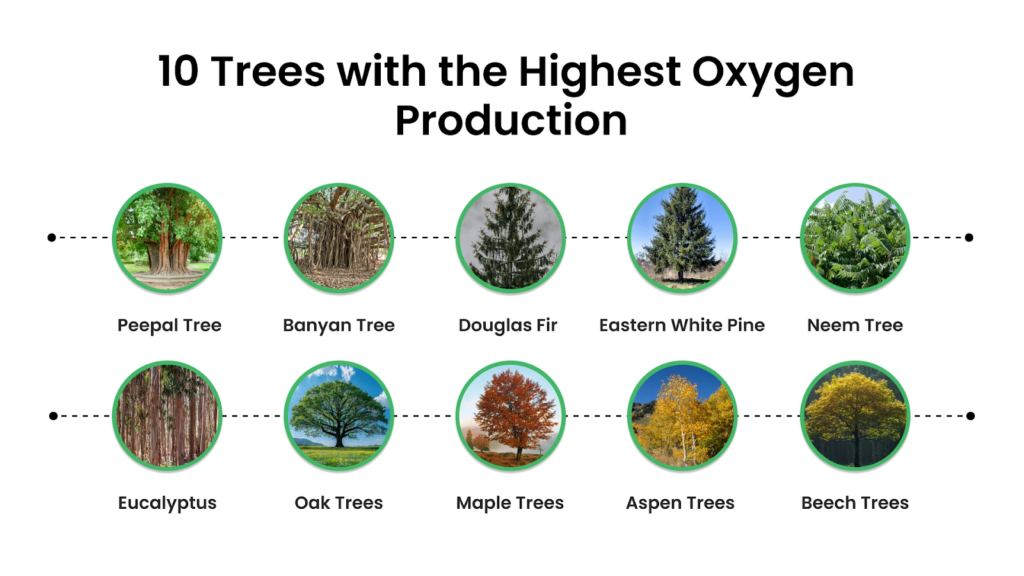
Source: https://plantd.life/blogs/oxygen-production-tree
- Go Digital: Reduce Paper, Reduce Impact
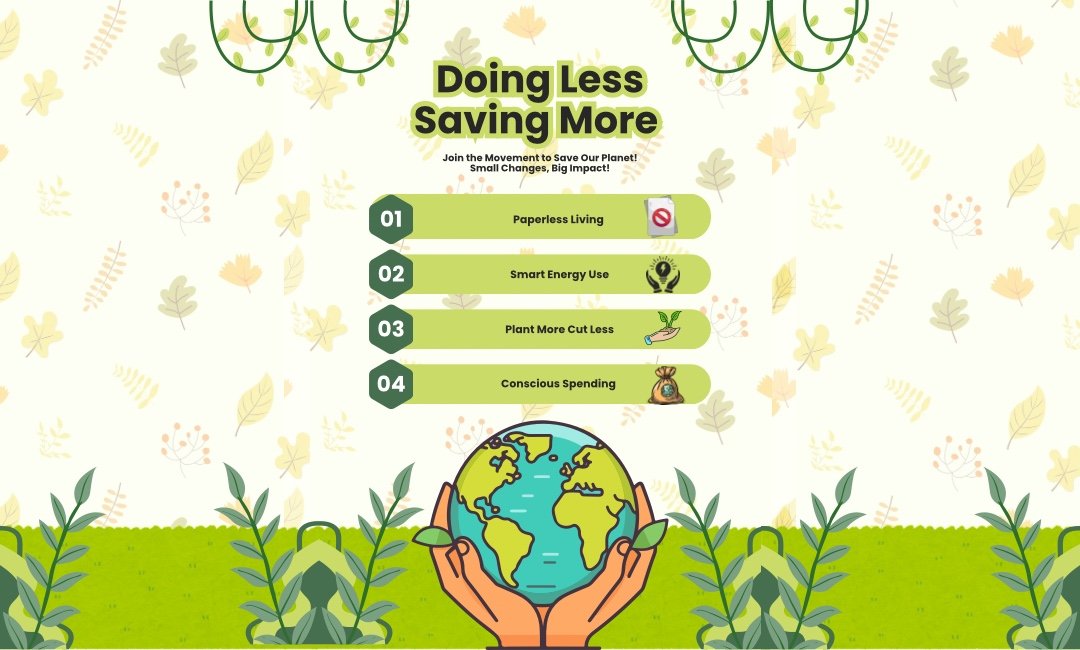
Go digital wherever possible—less paper, fewer trees cut, and a cleaner environment. Excessive paper usage directly contributes to deforestation, water consumption, and carbon emissions involved in paper production and transportation. By choosing digital alternatives—such as e-documents, e-signatures, online payments, and cloud storage—we significantly reduce our environmental footprint.
From a legal and administrative perspective, digital practices also promote:
- Better record management
- Reduced physical storage
- Faster access to information
- Compliance with evolving digital governance frameworks
The shift towards digital documentation is not merely a technological convenience; it aligns with sustainable practices and responsible resource usage. Whether it is avoiding unnecessary printouts, opting for electronic communication, or maintaining digital records, every conscious digital choice reduces environmental stress.
Sometimes, protecting the environment simply means choosing not to print.
- Carry your own bag
This simple habit ensures that you personally contribute zero plastic waste to landfills. While it may not stop plastic production globally, it stops your contribution—and that matters.
- Use energy responsibly.
Electricity generation still largely depends on coal, oil, and gas. Simple habits—such as switching off lights, air conditioners, and electrical appliances when not in use—can significantly reduce fossil fuel consumption. The use of motion-sensor lighting in homes, offices, and common areas further helps prevent unnecessary energy use by ensuring lights operate only when needed. Where feasible, adopting solar energy provides a cleaner and more sustainable alternative for everyday power needs.
- Awareness Creates Impact
Environmental change does not always require money or authority—sometimes, it only requires communication.
Talk to people around you. If you speak to ten individuals and even half of them adopt environmentally conscious habits, you have already multiplied your impact. Awareness spreads responsibility.
- Keep Your Surroundings Clean
Improper waste disposal contaminates land and water, harming humans, animals, and plant life alike. According to global estimates, over 2 billion tonnes of waste are generated every year, a significant portion of which causes environmental damage.
Use only what you need. Dispose of waste responsibly. Participate in or support local clean-up initiatives. Small actions, when done collectively, prevent long-term environmental harm.
Source : https://www.un.org/en/actnow/ten-actions
- Make Conscious Financial Choice
Every purchase and investment affects the environment.
Choosing products from environmentally responsible companies, reducing wasteful consumption, and ensuring that savings or investments are not supporting deforestation or fossil fuels can significantly lower your carbon footprint. Financial decisions are environmental decisions.
Source: https://www.un.org/en/actnow/ten-actions
Conclusion: Responsibility Begins with You
Environmental protection is not limited to laws, courts, or enforcement agencies. While legal frameworks exist to safeguard nature, their effectiveness ultimately depends on individual compliance and consciousness.
Sometimes, the most powerful way to protect the environment is simply to pause, reflect, and choose not to harm it.